
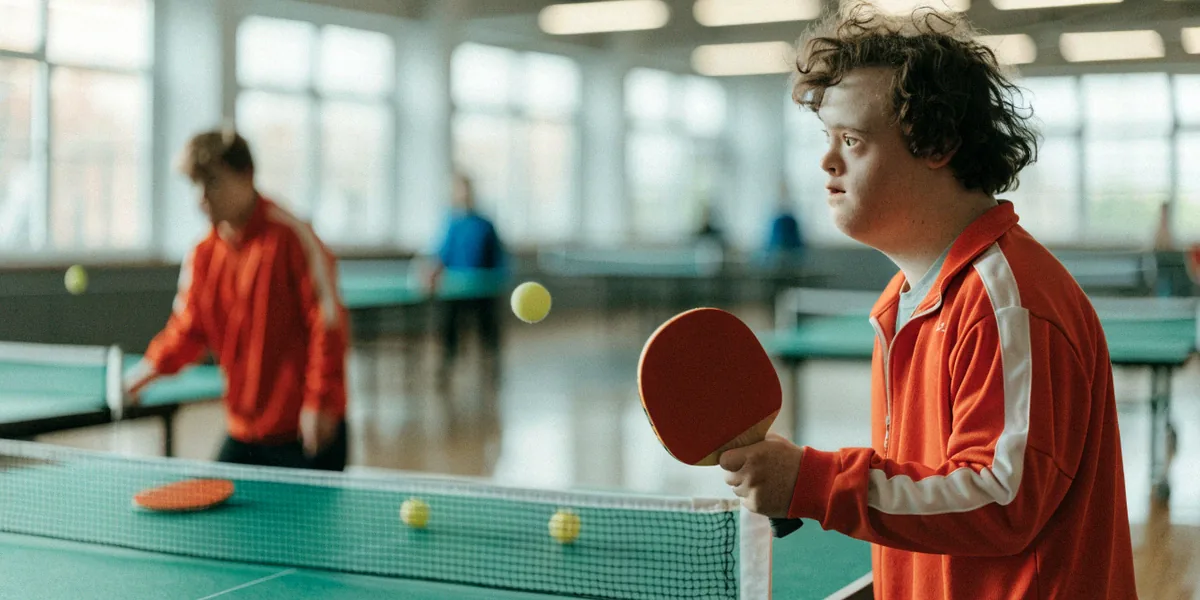
Inclusive Sports Clubs for People with Down’s Syndrome in the UK
When the Thompson family from Leeds first tried a mainstream Saturday football session for their son, Jamie, it lasted eleven minutes. The coach meant well, but the noise, the pace and the confusing instructions overwhelmed him. Six months later, Jamie was scoring goals at a DSActive session in Bradford — and the family’s entire weekend routine had changed. That transformation is exactly why we’ve mapped inclusive sports options across the UK: so more families can find the club that fits, faster.
Why Inclusive Sports Matter for Down’s Syndrome UK Families
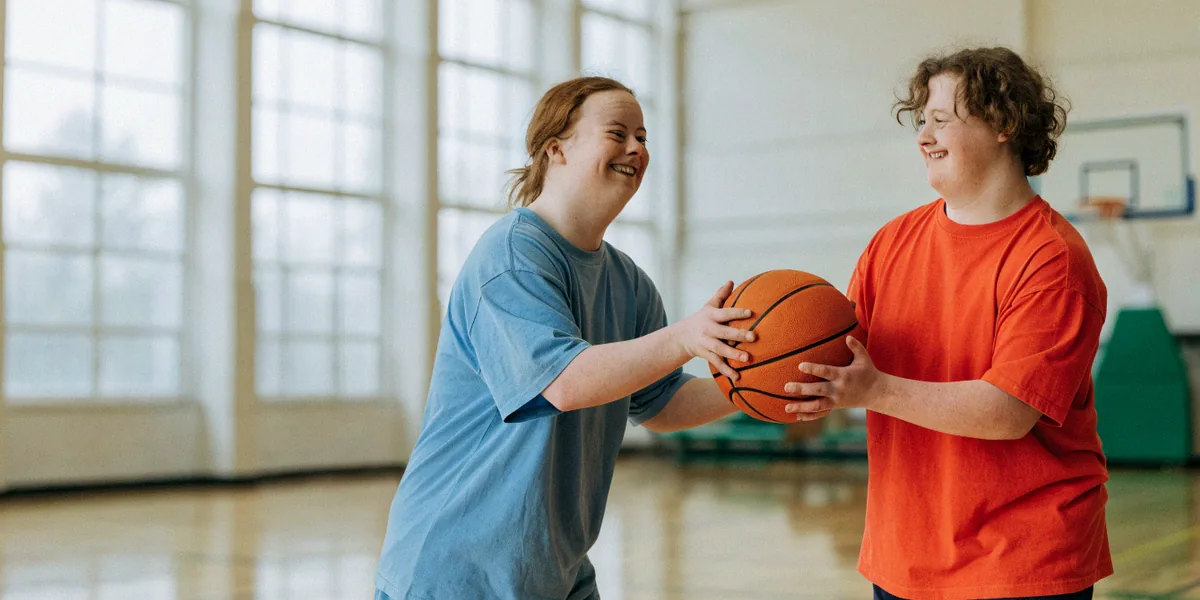
Sport is not a nice-to-have for children and adults with Down’s syndrome — it’s a core part of health, confidence and community. The Down’s Syndrome Association highlights regular physical activity as vital for cardiovascular health, weight management and motor development, and inclusive clubs deliver that within a setting where participants genuinely belong.
Physical Health and Motor Skills Development
People with Down’s syndrome often experience low muscle tone (hypotonia), joint hypermobility and delayed motor skills. Regular sport — swimming, football, gymnastics — builds strength, balance and coordination in ways that carry over into daily life. Research consistently links physical activity in this population to improved cardiovascular fitness and better posture, and clubs that adapt at the right pace make those gains achievable rather than frustrating.
Building Confidence and Social Connections
Belonging to a club gives more than fitness. It offers routine, teammates, and the experience of being picked, praised and part of something. For many families we speak to, the social side matters most: friendships formed on the pitch or in the pool often extend to birthdays, days out and WhatsApp groups for parents. Inclusive settings also model acceptance for neurotypical peers, which ripples out into the wider community.
The Role of Sport in Family Life
Sport reshapes family weekends. Siblings can cheer from the sidelines, parents meet other families navigating similar systems, and the person with Down’s syndrome gets an hour where they are the focus for the right reasons. As one mother told us, “It’s the only hour of the week where nobody is apologising for anything.”
How to Find the Right Inclusive Sports Club Near You
Finding a club takes a little detective work, but the UK has more routes in than most families realise. Start broad, then narrow down with the right questions.
Using National Databases and Local Directories
These are our go-to starting points:
- DSActive — the Down’s Syndrome Association’s sport programme, with a searchable map of sessions across the UK.
- Activity Alliance’s ‘Get Out Get Active’ programme, which promotes inclusive sport and physical activity in local communities and links to local delivery partners.
- Special Olympics GB club finder, covering year-round training across many sports.
- Your local council’s leisure directory and the local Parent Carer Forum, which often holds informal lists of tried-and-tested clubs.
- Governing body inclusion pages — England Athletics, Swim England and the FA all publish inclusive club guidance.
Key Questions to Ask Before Joining
Before committing, ask the club directly: Do coaches have experience of Down’s syndrome, and is any staff member trained in Makaton? How do you adapt rules, timings and equipment? What is your approach to sensory needs and quiet spaces? Are you aware of how an EHCP (Education, Health and Care Plan) can specify sports and physical activity provision? How do you handle personal care or changing facilities? A good club answers these without defensiveness — and often admits what it’s still learning, which is a positive sign.
Taster Sessions and Trial Visits
Always visit before signing up. Watch a full session, speak to other parents, and ask whether a trial block is possible. Two or three visits let you judge whether the pace, noise levels and coaching style suit your family member — and let the coaches get to know them too.
Top Inclusive Sports and Clubs Across the UK
These organisations lead the field, but local provision is growing fast, so check nearby clubs too.
Football and Team Sports
DSActive runs football sessions across England, Wales and Scotland, alongside tennis and other sports. Everton in the Community runs inclusive football pathways in Merseyside, and the Celtic FC Foundation delivers inclusive sessions in Glasgow. Special Olympics GB provides year-round training for people with intellectual disabilities, including Down’s syndrome, in football, basketball and more.
Swimming and Water Activities
Swimming is one of the most accessible sports for people with Down’s syndrome — the water supports joints and builds strength. Look for clubs linked to Swim England’s inclusion work, local authority leisure centres running disability swimming sessions, and Special Olympics GB swimming squads. Many pools offer quiet or sensory-friendly sessions; ask at reception.
Athletics, Gymnastics and Martial Arts
Athletics clubs affiliated to England Athletics increasingly run inclusive groups, while gymnastics builds balance and core strength particularly well. Martial arts — judo and karate especially — are popular in inclusive settings, with several UK clubs offering adapted gradings and Makaton-supported instruction.
What Makes a Sports Club Truly Inclusive?
Inclusion is more than a warm welcome. The UK Coaching ‘Inclusive Coaching’ framework sets out what good looks like: knowing the individual, adapting the environment, and communicating clearly. Here’s what to look for.
Communication and Makaton Support
Makaton is a language programme using signs and symbols, widely used in UK inclusive sports settings. Clubs that use Makaton signage, visual timetables and simple consistent instructions remove barriers before they arise. Ask whether coaches have had Makaton training — even basic signing makes a difference.
Adapting Equipment and Rules
Smaller pitches, lighter balls, shorter halves, walking versions of games, and visual rule cards are all standard inclusive practice. Good clubs adapt the activity, not the child.
Training and Awareness for Coaches
Coaches should understand hypotonia, hearing and vision differences, and atlantoaxial instability (relevant to contact sport and trampolining). Individual support plans — agreed with the family — should capture communication needs, triggers and what success looks like.
Funding, EHCPs and Practical Support for Families
Cost and logistics stop many families before they start. Several sources of help exist.
Using an EHCP to Access Sports Provision
An EHCP can specify sports and physical activity provision as part of a child’s special educational needs support, including access to specialist coaching or adapted PE. If sport is important to your child’s wellbeing and development, raise it at annual review and ask for it to be written into outcomes.
Grants and Financial Assistance
Look at the Family Fund for grants covering equipment and activities, local authority short breaks services, and Disability Rights UK sports grants. Many national governing bodies also run inclusion funds — check before assuming you’ll pay full fees.
Transport and Accessibility Considerations
Ask about accessible transport, parking, changing facilities and session times that work around school runs. Some clubs reimburse travel costs or run buddy schemes for families without cars.
Voices from the Field: Real Stories of Inclusion
We’ve gathered anonymised and composite stories from families and coaches across the UK to show what inclusion looks like in practice — and where it still falls short.
A Parent’s Perspective on Finding the Right Club
One mother in Cardiff told us she rang seven clubs before finding one that welcomed her daughter. “The first six were polite but vague. The seventh asked what she enjoyed and how she communicated. That was the difference.” Another family in Manchester described the relief of a club that used Makaton signs at the poolside: “She knew when to get in and out without us shouting.”
Coaches Reflect on Adapting Sessions
A coach at a Midlands athletics club admitted he was nervous at first: “I’d never coached a child with Down’s syndrome. I did a two-hour inclusion workshop and learned to break drills into three steps. Now it’s the most rewarding session of my week.” Several coaches told us the biggest change was slowing down instructions and using visual cues.
Participants Share Their Wins
Adults with Down’s syndrome described their own milestones: first lengths swum unaided, first medals, first times captaining a team. One Special Olympics GB athlete told us: “I train every Tuesday. My coach believes I can do it, so I do.”
Conclusion
Inclusive sport in the UK is growing — from DSActive football sessions to Special Olympics GB squads — but families still need to advocate, ask the right questions and share what works. If you’ve found a club that got it right (or one that needs to try harder), tell us in the comments so we can add it to our map.
FAQ
What is DSActive?
DSActive is the Down’s Syndrome Association’s sport programme, offering football, tennis and more across the UK, with sessions designed specifically for people with Down’s syndrome.
Do coaches need Makaton training for inclusive sport?
It isn’t mandatory, but Makaton — a language programme using signs and symbols — is widely used in UK inclusive sports settings. Clubs with even basic Makaton training communicate more effectively with participants who use signing.
Can an EHCP cover sports and physical activity?
Yes. An EHCP (Education, Health and Care Plan) can specify sports and physical activity provision for children with Down’s syndrome, including specialist coaching or adapted PE. Raise it at your annual review.
What is ‘Get Out Get Active’?
Get Out Get Active is an Activity Alliance programme that promotes inclusive sport and physical activity in local communities across the UK, helping families find accessible sessions nearby.
Where can families get financial help for sports fees?
Sources include the Family Fund, local authority short breaks, and Disability Rights UK sports grants. Many national governing bodies also offer inclusion funding — always ask the club before paying full fees.